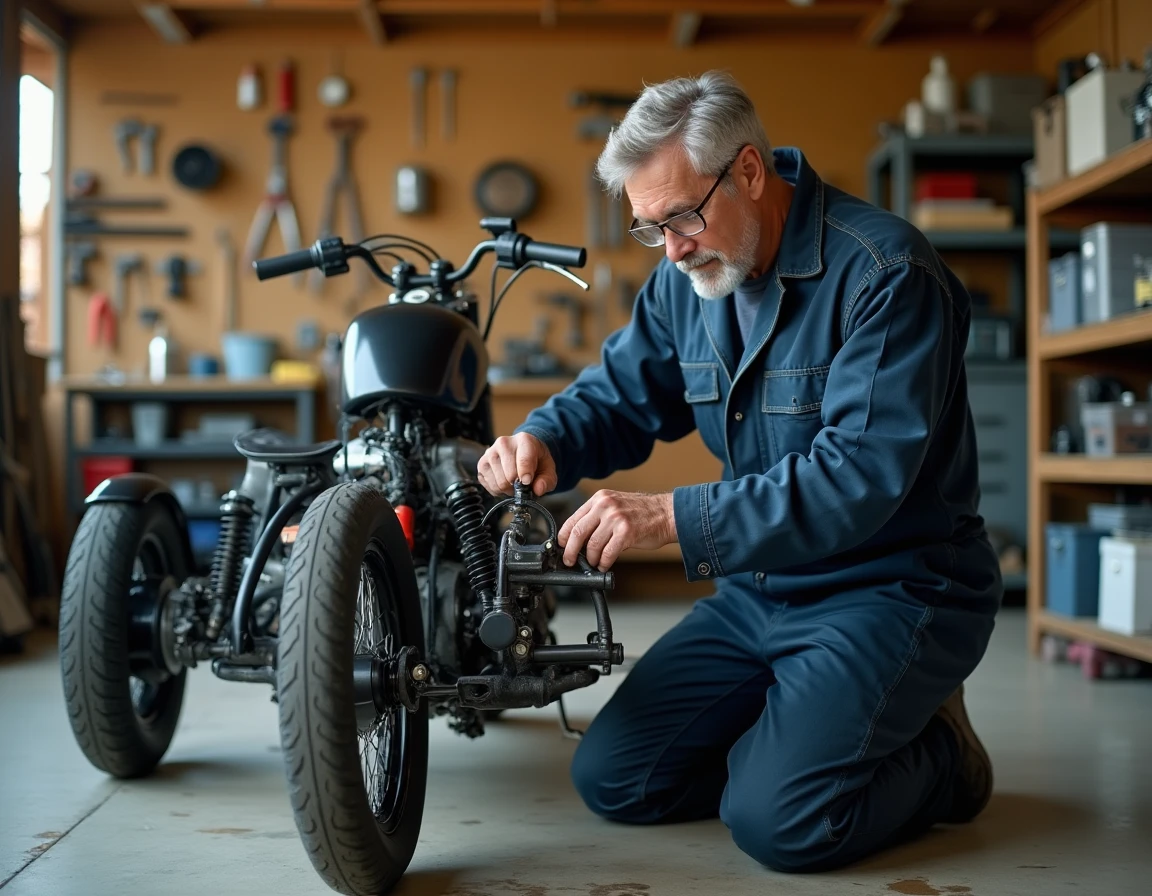
Transforming a two-wheeled motorcycle into a trike raises a specific technical question: what type of kit to choose, and what constraints should be anticipated before starting the conversion? The result depends as much on the base motorcycle model as on the chosen kit, the workshop that performs the installation, and the administrative obligations that follow.
Trike Kit Compatibility by Motorcycle Models
Not all kits fit all motorcycles. Manufacturers like Motor Trike, Hannigan, EML, or Casarva offer kits designed for specific platforms. The Honda Gold Wing, Harley-Davidson Touring, and certain Indian models are among the most common bases.
The choice of a kit to convert a motorcycle into a trike primarily depends on the engine displacement, frame type, and transmission of the original motorcycle. A kit designed for a Gold Wing 1800 cannot be mounted on a Sportster, and vice versa.
| Kit Brand | Compatible Motorcycles (Main) | Type of Conversion |
|---|---|---|
| Motor Trike | Honda Gold Wing, Harley-Davidson, Indian, Kawasaki, Suzuki | 2 rear wheels |
| Hannigan | Honda Gold Wing, Harley-Davidson, Indian | 2 rear wheels |
| EML | Honda Gold Wing, Harley-Davidson, BMW | 2 rear or front wheels |
| Casarva | Indian Scout, Honda Rebel, Harley Sportster | 2 rear wheels |
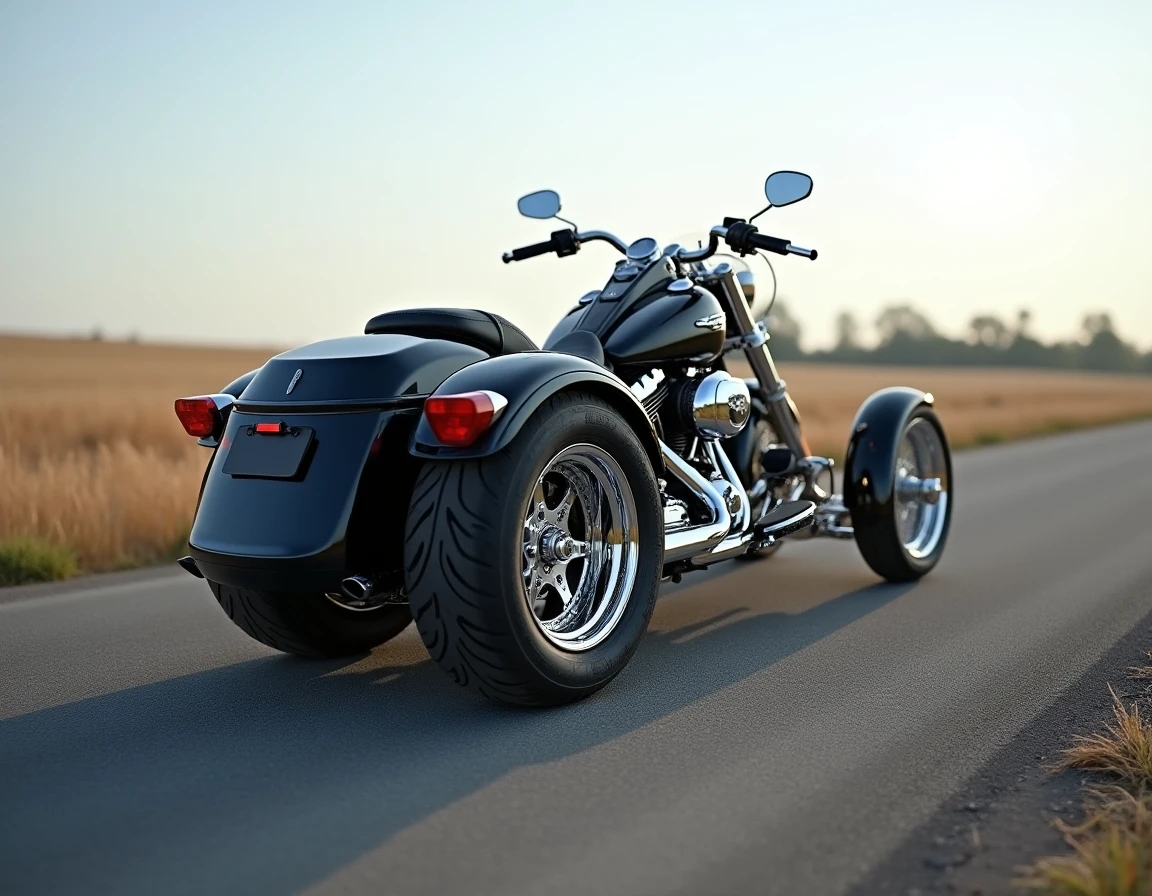
The most common configuration remains the addition of two wheels at the rear, replacing the single rear wheel. Some manufacturers also offer conversions with two front wheels (reverse trike type), but these setups are rarer and more expensive.
Workshop Installation or DIY: What the Process Involves
The promise of a “bolt-on” kit suggests that the conversion is simple. In practice, the level of difficulty varies considerably.
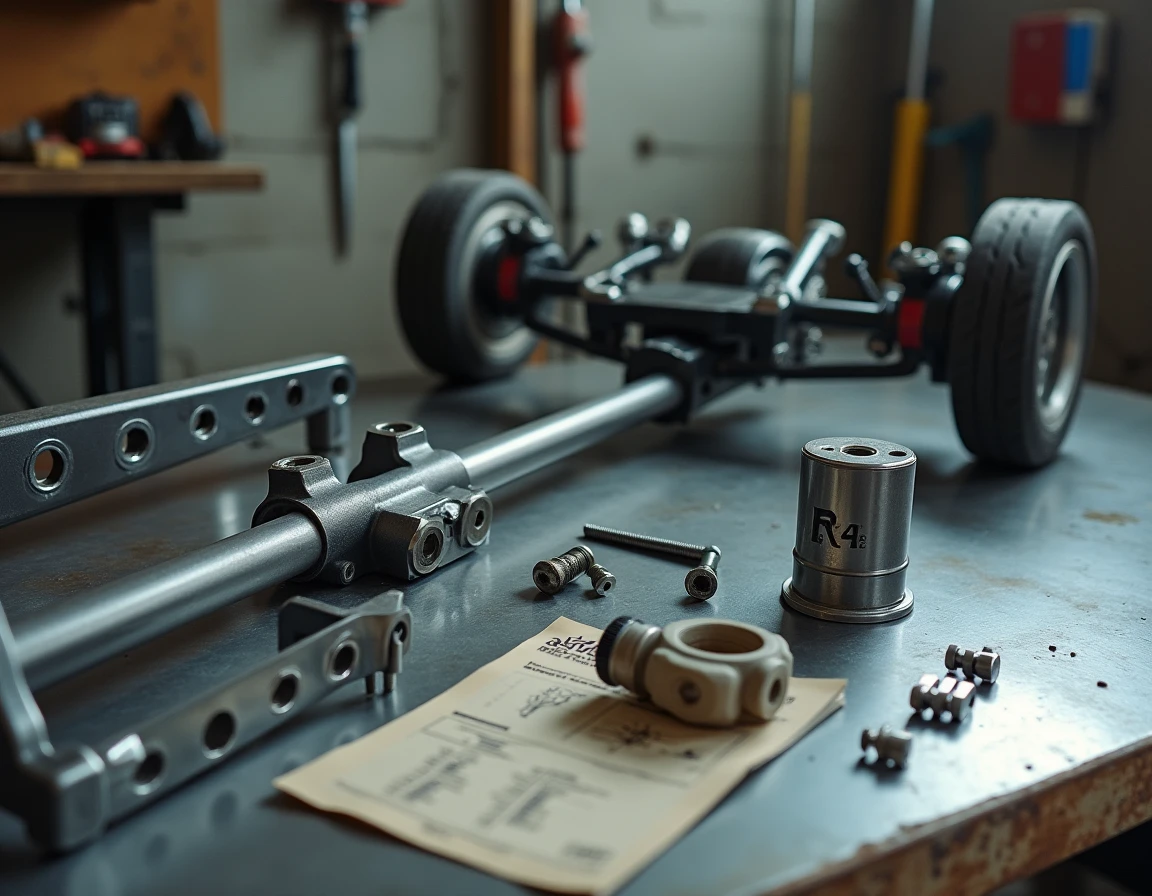
A bolt-on kit still requires specific tools: lift, torque wrenches, and sometimes welding tools for frame adaptations. Removing the rear wheel, swingarm, and sometimes the transmission requires solid mechanical skills.
- Complete removal of the rear assembly (wheel, swingarm, suspension, fender)
- Installation of the cradle or rear chassis of the kit, fixed to the original frame
- Connection of the transmission (shaft, chain, or belt depending on the model) to the kit’s differential
- Electrical connection of the rear lights, turn signals, and possibly a reverse light
- Adjustment of geometry and brake testing on all three wheels
Specialized workshops in France, such as Eritrik in Normandy or Trike & Side in Dordogne, carry out these conversions with a compliance report. Going through a professional ensures traceability of the installation, a crucial point for homologation and insurance.
A DIY installation is possible for an experienced mechanic, but it carries a risk: without a professional installation certificate, some insurers refuse to cover the converted vehicle.
Trike Homologation and Insurance: Often Underestimated Obligations
This is the aspect that most commercial guides overlook. A motorcycle converted into a trike changes administrative category. In France, the registration document must be updated after the conversion, which requires a single vehicle approval (RTI) with the DREAL or an approved organization.
This procedure includes verifying the compliance of the kit, the installation, and, in several European countries, dynamic checks (braking, stability). Reputable manufacturers provide a complete technical file to facilitate this step.
On the Insurance Side: Reclassification and Surcharges
Specialized two-wheeler insurers in France indicate that a conversion using a trike kit may lead to reclassification in the “modified vehicle” category. Generally, you need to provide the invoice for the kit, the professional installation certificate, and the homologation report to maintain damage coverage.
Failing to declare the transformation amounts to riding without valid coverage in case of an accident. Some contracts include a surcharge, while others require a change in policy.
Trike Conversion for Medical Reasons: An Increasing Use
In recent years, transformation workshops in France and North America have reported a significant increase in requests related to physical limitations. Arthritis, balance issues, accident aftermath: the trike is becoming an accessibility solution to maintain motorcycle riding.
Several motorcyclist associations and insurers explicitly mention conversion kits as an alternative for riders who can no longer maintain balance on two wheels. In France, workshops like US Motors & Bikes also offer specific support for people with disabilities.
A category B license is sufficient to drive a trike (subject to age and power conditions according to current legislation), which broadens access to riders who have never obtained a motorcycle license.
Choosing Between Rear Trike Kit and Reverse Conversion: Decision Criteria
The majority of conversions add two wheels at the rear. This format offers a large storage trunk, stability at low speeds, and predictable road behavior in a straight line.
In contrast, two front wheel kits (reverse trike, such as Tilting Motor Works) retain more of the motorcycle riding sensation due to leaning in turns. They are more compact but offer less cargo space.
- Rear kit: maximum stability, large trunk, suitable for long trips and touring
- Front kit (reverse): leaning in turns, reduced footprint, sportier behavior
- Rear kit with integrated reverse: a common option on Gold Wing models, useful given the total weight of the trike
The choice depends on the primary use: travel comfort or riding pleasure. Both configurations require the same homologation process.
Transforming a motorcycle into a trike remains a mechanical and administrative project that cannot be improvised. The right kit for the correct model, a traceable installation, and proper homologation condition both the safety and insurance coverage of the finished vehicle.