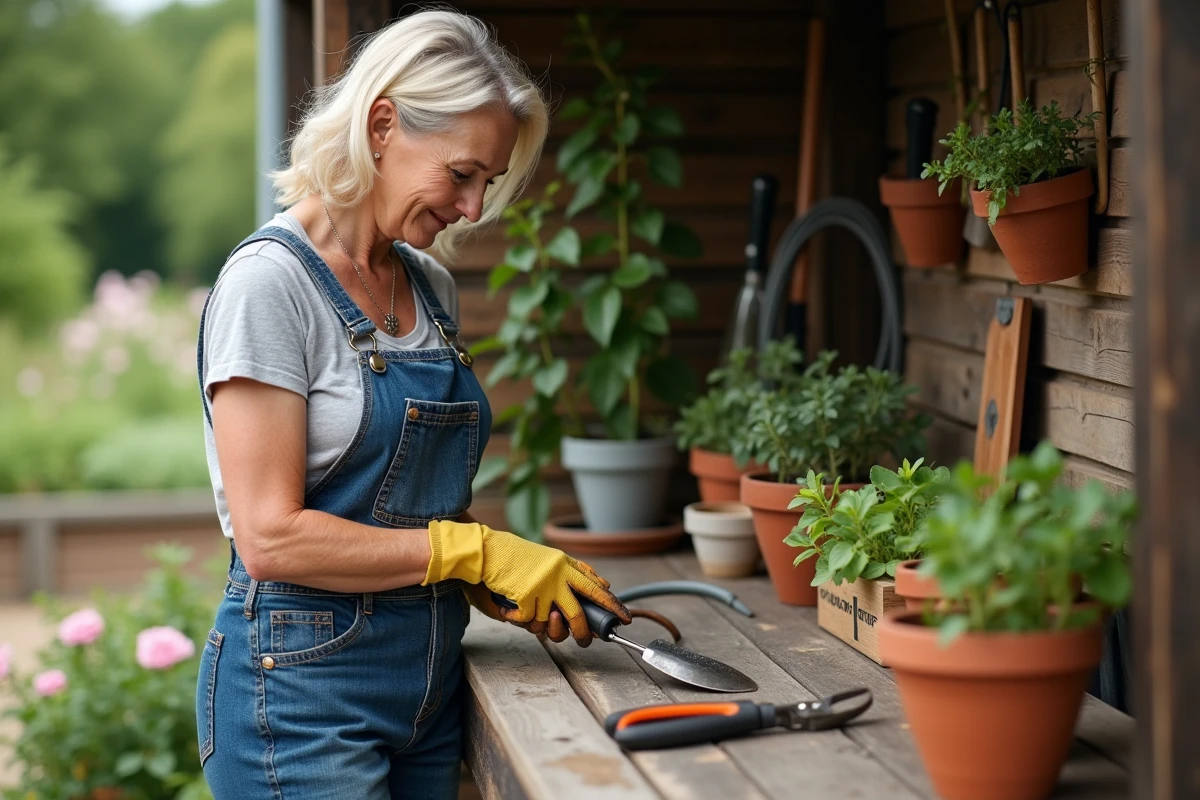
Between a bypass pruner and an anvil model, between leather gloves and latex gloves, the performance differences in the garden are often more pronounced than one might imagine. Choosing gardening equipment relies less on the brand than on the suitability of the tool, the soil being worked, and the type of plants being maintained. This article analyzes the selection criteria that truly make a difference in the field.
Pruning Tools: Bypass, Anvil, and Ratchet Face to Face
Pruning is the activity where the choice of tool most directly impacts plant health. A poor pruner crushes fibers instead of cutting them, which opens the door to fungal diseases.
| Type of Mechanism | Main Use | Advantage | Limit |
|---|---|---|---|
| Bypass | Green wood, living stems | Clean cut, quick healing | Increased effort on hard wood |
| Anvil | Dead wood, dry branches | Little effort required | Crushes living tissues |
| Ratchet | Medium diameter branches | Force multiplication | Slower cut |
A gardener who primarily prunes roses or fruit trees benefits more from a bypass pruner. In contrast, for cleaning dead wood at the end of the season, an anvil model is sufficient and puts less strain on the wrist.
The quality of the steel determines the lifespan of the cutting edge. Hardened steel retains its sharpness significantly longer than standard steel, which reduces the frequency of sharpening. Checking the possibility of replacing the blades avoids having to buy the entire tool after a few seasons.
To browse all the equipment on Clic Garden, product sheets often specify the type of mechanism and the maximum cutting diameter, two pieces of information to systematically cross-check before purchase.
Protective Gloves and Safety: Adapting Class to Actual Work
Gardening gloves come in several levels of protection, but most amateur gardeners choose by feel in-store without looking at the indicators printed on the cuff. These indicators provide information on abrasion, cut, tear, and puncture resistance.
- Light work (seeding, transplanting, manual weeding): thin latex or nitrile gloves that preserve tactile sensitivity without sacrificing waterproofing.
- Pruning roses or handling brambles: goat leather or split leather gloves, with a long cuff protecting the forearm.
- Using a chainsaw or hedge trimmer: specific cut-resistant gloves, compliant with EN 381 standards for chainsaws, with anti-vibration padding.
A glove that is too thick for the task reduces precision and increases fatigue, leading to removal, nullifying any protection. The right compromise lies in the fit to the hand size and the type of effort.
Soil Maintenance and Watering: Choosing Based on Surface
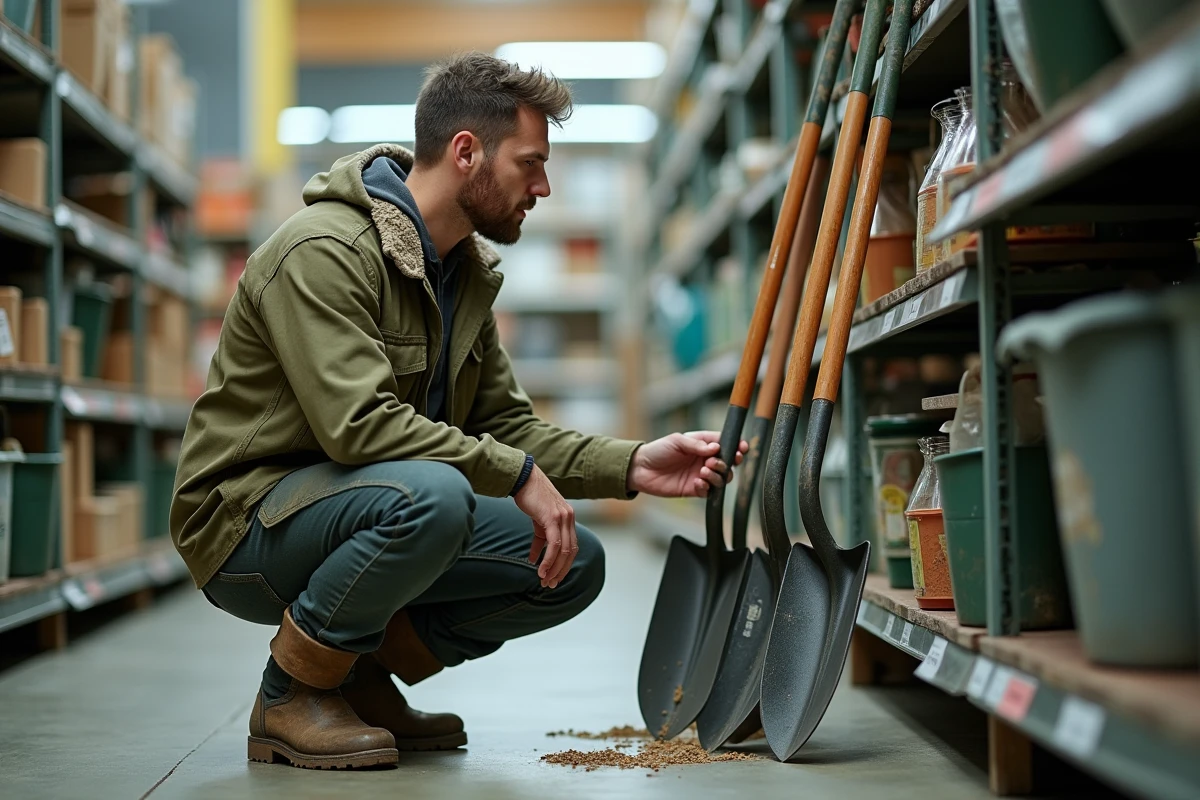
The soil dictates the tool. Compact clay soil cannot be worked with the same equipment as sandy substrate. The grelinette, for example, loosens without turning the layers, preserving microbial life. It requires soil that is already relatively loose or previously moistened.
On heavy ground, a flat-tined fork penetrates better than a round-tined model. The weight of the tool is as important as its profile: an ash wood handle absorbs vibrations better than a metal handle, but is heavier during long sessions.
Watering: Flow Rate and Consistency Above All
Improperly calibrated watering wastes water and stresses plants. The choice between a traditional hose, drip irrigation, and micro-sprinkling depends on planting density and soil type.
Drip irrigation significantly reduces water consumption compared to sprinkler watering, as it targets the root zone. On a lined vegetable garden, it is the most efficient system. For a lawn, an oscillating sprinkler covers the surface better, provided it is used early in the morning to limit evaporation.
Price Range and Durability: What Justifies the Price Difference
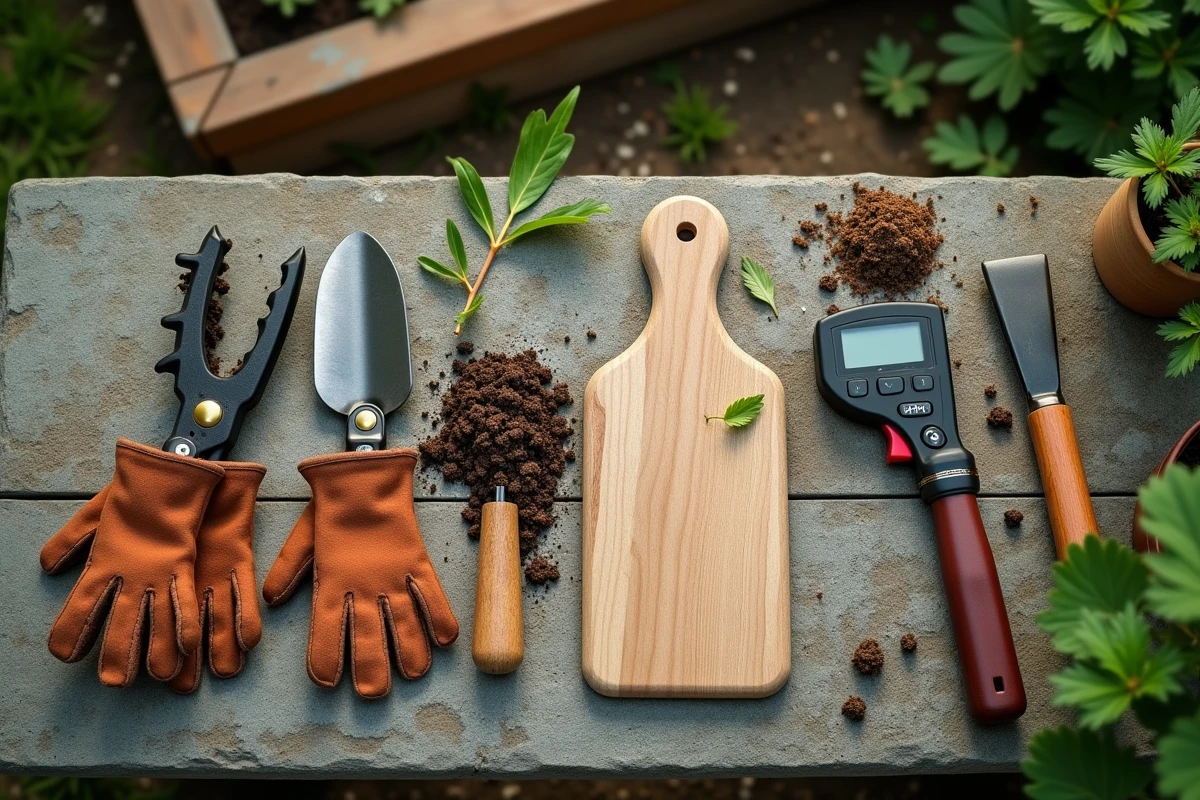
Entry-level gardening equipment serves its purpose for a few seasons. Mid-range or professional tools often last well beyond that, thanks to more durable materials and replaceable parts.
The availability of spare parts distinguishes a durable tool from a disposable one. A pruner for which one can buy the spring, blade, or stop remains operational for years. In contrast, a riveted model without disassembly screws ends up in the landfill as soon as the spring fails.
The comfort of use (handle coating, ergonomics of the handle, overall weight) is also reflected in the price. During a half-day of pruning or digging, an ergonomic handle noticeably reduces joint strain.
- Entry-level: acceptable for occasional use or a small balcony.
- Mid-range: a good compromise for a medium-sized garden with regular maintenance.
- Professional range: justified for large areas or near-daily use.
The most reliable criterion for assessing quality remains the weight of the metal head compared to the handle: a well-balanced tool tires less and works better. Testing the tool in hand, when possible, remains the safest method to avoid a poor investment.
Each garden presents different constraints of soil, surface, and vegetation. Cross-referencing these three parameters with the type of mechanism, level of protection, and quality of materials is enough to eliminate the majority of unnecessary purchases. A well-chosen gardening tool is recognized by its longevity, not its purchase price.