Imagine a world where each grain of sugar holds immense importance. Every little particle that melts in your cup of tea, dissolves in your favorite pastry, or sprinkles over a juicy fruit. Why this importance? The exact weight of a piece of sugar can be the key to understanding our daily sugar consumption, an essential element in maintaining a healthy diet. It’s a matter of science, health, and even culinary culture. So, how much does a piece of sugar really weigh? It’s a more complex question than it seems.
From field to table: decoding sugar and its production
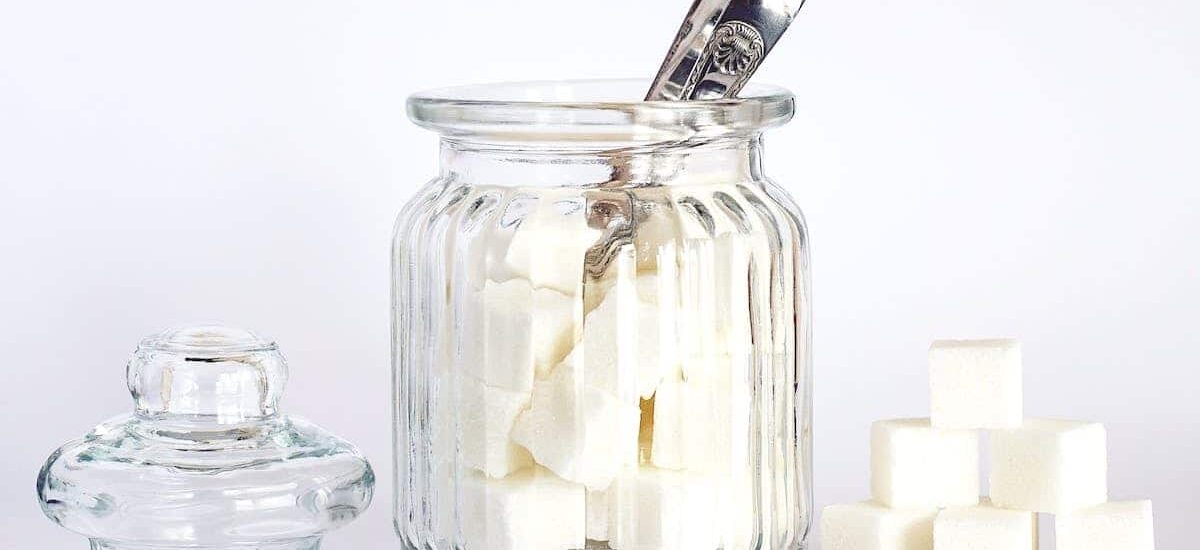
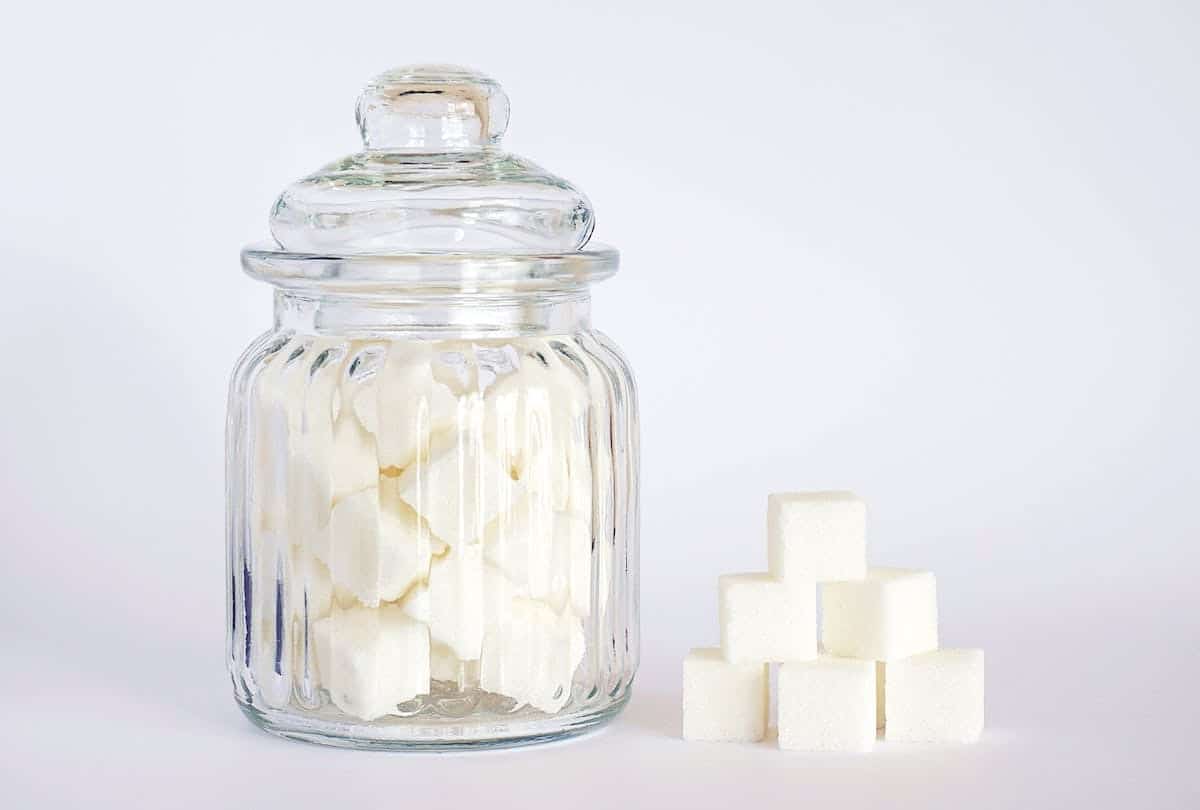
When we talk about bulk sugar, we generally think of the white granulated sugar that we commonly use for baking or sweetening our drinks. There is another form of sugar that deserves our attention: the sugar cube weight.
The sugar cube weight is a particular type of solid and compact block formed from sucrose extracted mainly from sugar beets and sugar cane. This term comes not only from the specific format in which this product is sold but also from a traditional French measurement once used by pastry chefs, bakers, and confectioners to assess the quantities needed in their preparations.
The cubes are usually cut into regular squares of half a centimeter or more on each side. They can be refined (white) or unrefined (brown), with the latter retaining some of the natural molasses from the seedlings, giving it a slightly caramelized flavor. It is therefore perfect for recipes requiring extra sweetness without adding too much moisture.
What to remember is that a teaspoon of this variety contains about 4 grams of pure sucrose, while a standard sugar cube could weigh up to 25 grams. The precise calculation varies depending on the exact size of the cube and its particle density, but this can give a rough idea for those looking to control their daily intake of simple carbohydrates.
It is interesting to observe how different types and formulas can influence the calorie content, sweetening power, but especially the culinary behavior of the various sugars available on the market today.
Ultimately, whether you opt for the classic white granulated sugar or choose a tasty rustic brown sugar cube, remember to moderate your consumption because, as the saying goes: “Too little is as harmful as too much.”
Powdered crystal or syrup: a look at the multiple faces of sugar
The effects of sugar on health and weight have long been a major concern in our modern society. Indeed, excessive sugar consumption can lead to various health problems, such as obesity, type 2 diabetes, and cardiovascular diseases.
Sugar is composed of glucose and fructose, two types of simple carbohydrates that are quickly absorbed by our bodies. When we consume sugar-rich foods, our blood sugar level rises rapidly. In response to this sudden increase in glucose in the blood, our body releases a hormone called insulin to regulate this high level.
Excessive sugar consumption can lead to insulin resistance, which means that our body struggles to effectively use this hormone to lower blood sugar levels. This can lead to the development of type 2 diabetes.
Regular consumption of sugar-rich foods contributes to the accumulation of body fat. The fructose present in sugar is metabolized differently compared to other carbohydrates. It is directly converted into fat in the liver, thus promoting weight gain.
The addictive effect of sugar does not make things easier either. In fact, some scientists even compare its influence on our brain to that of drugs like cocaine or heroin. When we consume sugar-rich foods, it activates brain areas related to pleasure and reward, which can lead to food addiction.
We must limit our sugar intake to preserve our health. The World Health Organization (WHO) recommends a daily sugar intake of less than 10% of our total energy intake. For an adult needing about 2000 calories per day, this represents about 50 grams. It is also suggested to prioritize naturally occurring sugars in fruits and vegetables rather than added sugars found in many processed foods.
While the excessive weight of sugar may seem harmless, you must be aware of the effects of sugar on our health and weight. Excessive consumption can lead to the onset of various problems such as obesity and type 2 diabetes. It is therefore essential to adopt a balanced and mindful diet to maintain good health while enjoying treats in moderation.
Sweet disaster: impact on health and balance
Sugar alternatives are gaining popularity. More and more people are looking for options to reduce their sugar intake while satisfying their palate. Fortunately, there are several natural and healthy alternatives that offer a sweet and tasty option.
The first popular alternative is honey. Honey is a natural sweetener rich in flavor and nutrients. It contains beneficial antioxidants for health, as well as enzymes and essential minerals. Remember that honey remains a concentrated source of calories, so be sure to consume it in moderation.
Another common choice is maple syrup. Originating from Canada, this syrup comes from the bark of the maple tree. Its characteristic flavor adds a delicious touch to both sweet and savory dishes. However, like honey, it also contains a lot of calories, so its consumption should be controlled as part of a balanced diet.
An alternative often used by those following a low-carb or ketogenic diet is stevia. Stevia comes from a plant called Stevia rebaudiana and offers great sweetness without adding any calories or affecting blood sugar levels. It can be used in liquid extract or powder form to replace sugar in various foods and beverages.
For those looking for a more exotic alternative, coconut syrup is an interesting option. It is made from the sap of coconut tree flowers and has a unique flavor reminiscent of caramel. Coconut syrup also contains minerals such as potassium and iron, making it an attractive alternative for health-conscious individuals.
Another lesser-known but equally interesting option is birch sugar, also known as xylitol. It comes from the bark of birch trees. Birch sugar has a sweetening power similar to traditional sugar but with 40% fewer calories. It does not affect blood sugar levels and may even help prevent dental cavities.
We also have dried fruits, such as dates or raisins, which can be used to add natural sweetness to recipes without the need to add refined sugar. Dried fruits are rich in fiber and also provide essential vitamins and minerals to our bodies.
There are therefore several sugar alternatives available on the market today. Each has its own nutritional and taste benefits. Always remember to maintain overall good health.
The time for alternatives: sweets without the downsides
In order to reduce your sugar consumption, here are some simple yet effective tips to implement in your daily life.
First, read food product labels carefully. Sugar can hide under different names such as glucose, corn syrup, or dextrose. Make sure to know the various names that sugar can take to make informed choices.
Opt for a diet primarily composed of unprocessed foods. Fresh fruits and vegetables are naturally sweet and provide a wide variety of beneficial nutrients for health. Also prioritize lean protein sources such as lean meats, fish, and legumes that will help you stay full longer without needing to add sugar.
Another tip is to cook for yourself as much as possible. By preparing your meals with raw ingredients, you have total control over the amount of sugar added to your dishes. Experiment with various herbs and spices to add flavor and natural sweetness without resorting to sugar.
Be sure to drink more water or delicate infusions when you feel those sweet cravings.
Try to gradually reduce the amount of sugar you add to your coffee or tea. You will be surprised to find that, over time, your palate gets used to more subtle flavors and appreciates the natural aromas without needing an overload of sweetness.
Be aware of occasions when you are likely to consume excess sugar, such as during parties or certain evenings with friends. It is not necessary to completely deprive yourself, but try to be mindful of the quantities ingested to maintain an overall balance in your diet.
It is entirely possible to limit your sugar consumption by adopting a few simple daily habits. By staying attentive to food labels and favoring a non-processed diet, you can enjoy optimal health while satisfying your taste buds.
A bitter taste for the planet: the ecological footprint of sugar
Beyond these environmental issues, sugar production also impacts our health. Indeed, many of us consume sugar in excessive amounts, often without realizing it. However, excessive sugar consumption can lead to health problems such as obesity, diabetes, and cardiovascular diseases.
Be sure to sweeten and adopt a balanced diet. This involves reducing processed foods high in added sugars such as sodas, cookies, and candies. Prioritizing natural and unprocessed foods will help limit our sugar intake while preserving our health.
Be sure to name different sugars such as corn syrup or sucrose. Learning to decode these labels will give us a better understanding of the products we consume daily.
Know that there are several alternatives to refined sugar such as honey or maple syrup that have a lower glycemic index. It is therefore possible to indulge while limiting excessive sugar consumption.
Being aware of the actual weight of a piece of sugar goes beyond its simple caloric value. It also involves considering the environmental and health consequences related to its production and our excessive consumption. By adopting a more responsible approach to sugar, we contribute not only to the preservation of our planet but also to our own well-being.
So, the next time you take a piece of sugar, remember that it represents much more than just a sweetener in your cup of coffee or in your favorite pastry.