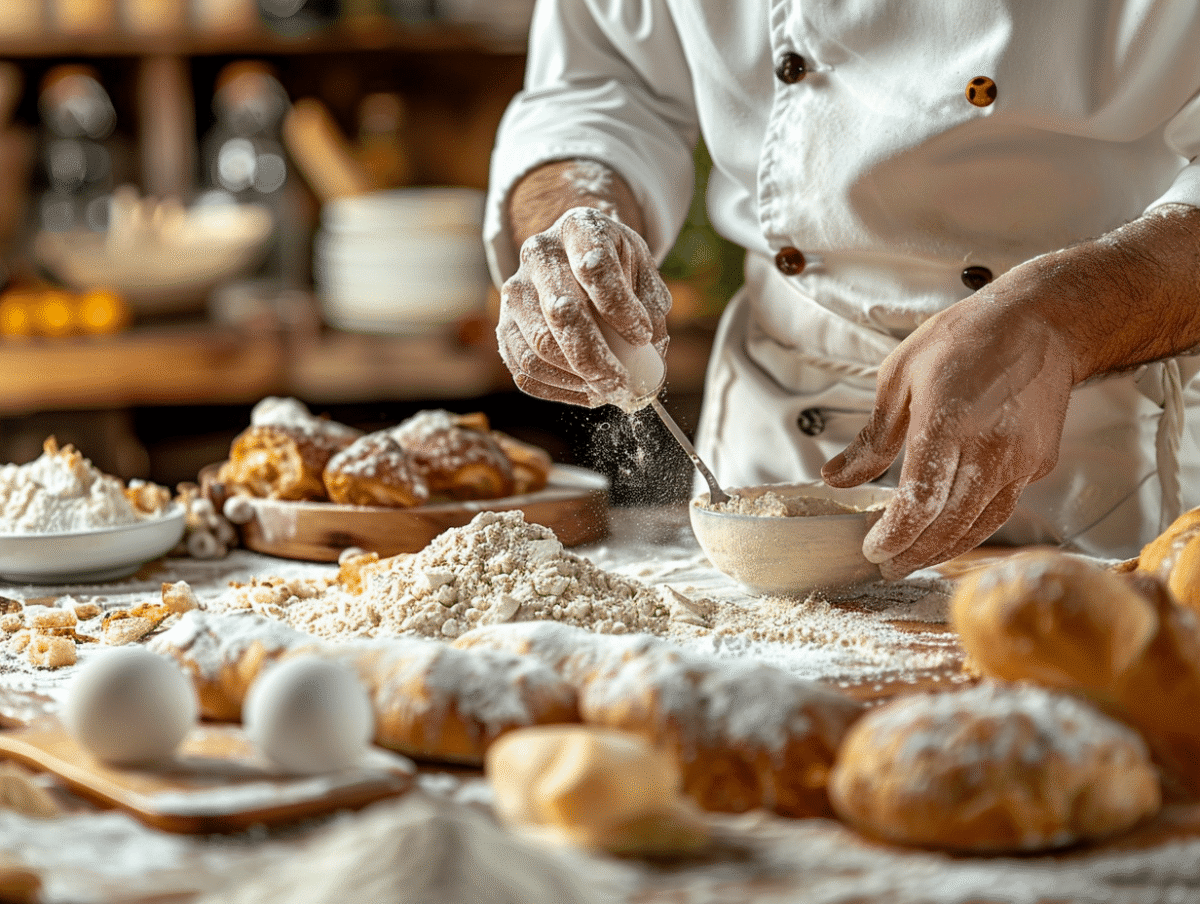
In the delicate art of pastry making, precision is key. Unlike other forms of cooking where intuition may suffice, the success of a cake or tart relies on exact measurements. Professional pastry chefs have their tips and techniques to ensure that every spoonful of sugar or gram of flour contributes to the desired final result. For the home baking enthusiast, understanding how to measure with the same precision can transform haphazard attempts into consistent successes. Entering this world of precision is essential for mastering complex recipes and achieving creations worthy of a pastry shop display.
The Fundamentals of Measurement in Pastry
Pastry, this discipline where science meets art, demands flawless precision. Weighing accurately, which guarantees the consistency and quality of the final products, is a fundamental principle. Adopting a precision electronic scale thus becomes a wise choice for anyone aspiring to replicate the sweet masterpieces of the greatest pastry chefs. Precise measurement of ingredients is a sine qua non condition for the faithful execution of recipes.
The use of dedicated tools, such as a measuring cup, makes the task easier for both amateur and professional bakers. The conversion of 60 milliliters to grams is no longer a complex equation with the right instruments. You must familiarize yourself with these tools, as they allow you to translate volumes into weights and vice versa, thus respecting the proportions required by the recipes. Don’t forget that the temperature of the ingredients plays a crucial role in the success of your pastries and must be controlled with the same rigor.
Mastering basic techniques and cooking methods is inseparable from the quality of raw materials and the precision of measurements. Common mistakes, such as approximations in dosing or a poorly calibrated oven, can irreparably compromise the texture and taste of your creations. So take the time to equip yourself properly and practice precise measurement, because in pastry, every gram counts.
Strategies and Tips for Accurate Measurements
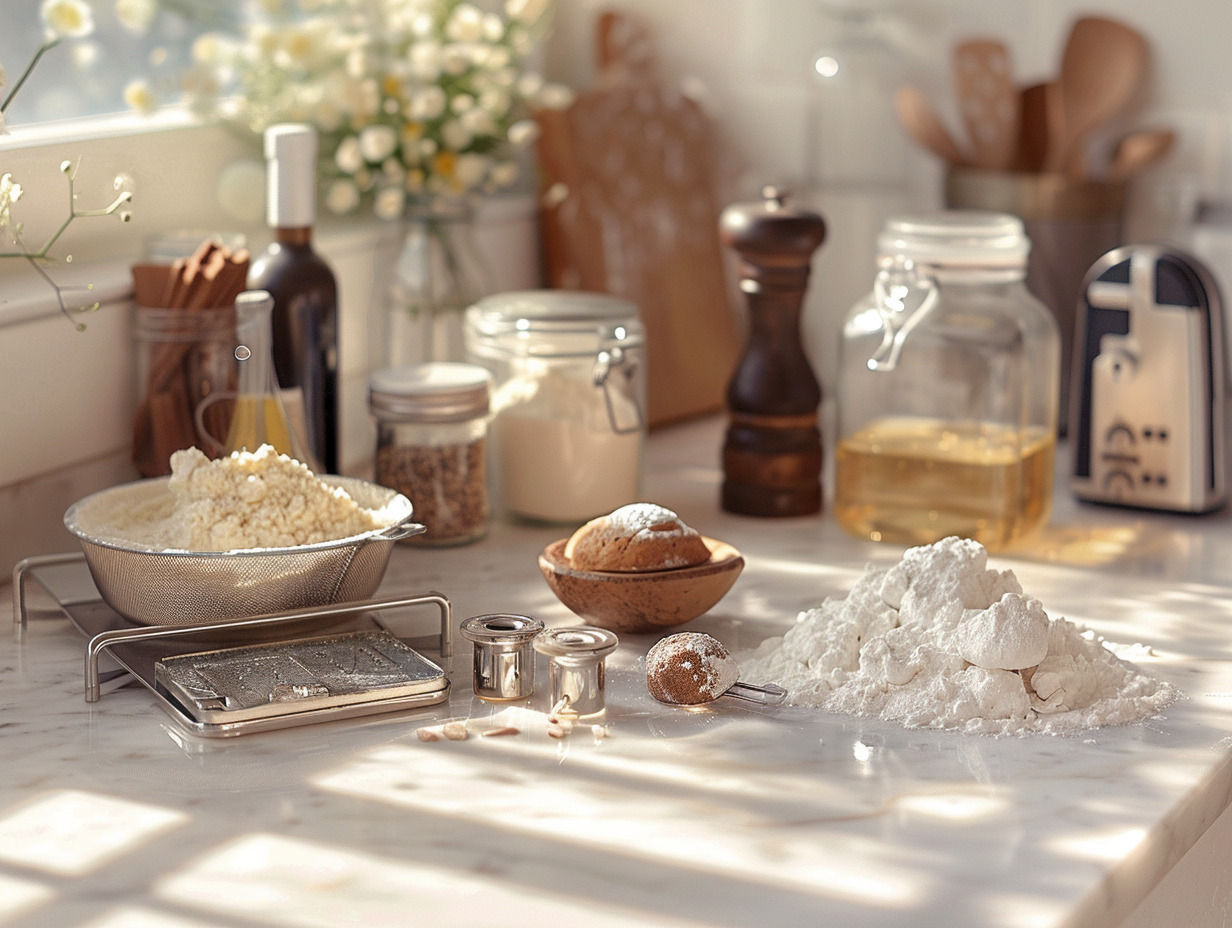
At the heart of pastry making lies creativity, but it only flourishes with rigorous precision in measurements. Cake recipes, whether it’s a moist chocolate cake or a crispy apple tart, require exact proportions for the magic to happen. Using graduated piping bags allows for dosing cream or batter with remarkable accuracy, thus contributing to the uniformity and consistency of the finished products.
Obtaining a CAP pastry diploma opens the doors to the methods and rigors of the profession, including knowledge of precise quantities for each ingredient. Investing in a stand mixer is an additional step towards this precision. With built-in weighing functions and meticulous settings, the mixer becomes a valuable ally in adhering to recipes to the letter.
Approaching chocolate pastry reveals another dimension where precise measurement reigns. Tempering chocolate requires thermal accuracy that only a kitchen thermometer can guarantee. Mastering this technique is an asset, as it directly affects the shine and texture of the final product.
Enter the world of secrets of professional pastry chefs. These chefs do not limit themselves to the recipe itself but extend to the decoration and presentation of pastries. A precision scale or measuring spoon can transform the simple act of decorating into a work of art. The attention to detail, measurements, temperature, and selection of ingredients shapes the excellence of pastry making and elevates the pastry chef to the rank of artisan of indulgence.