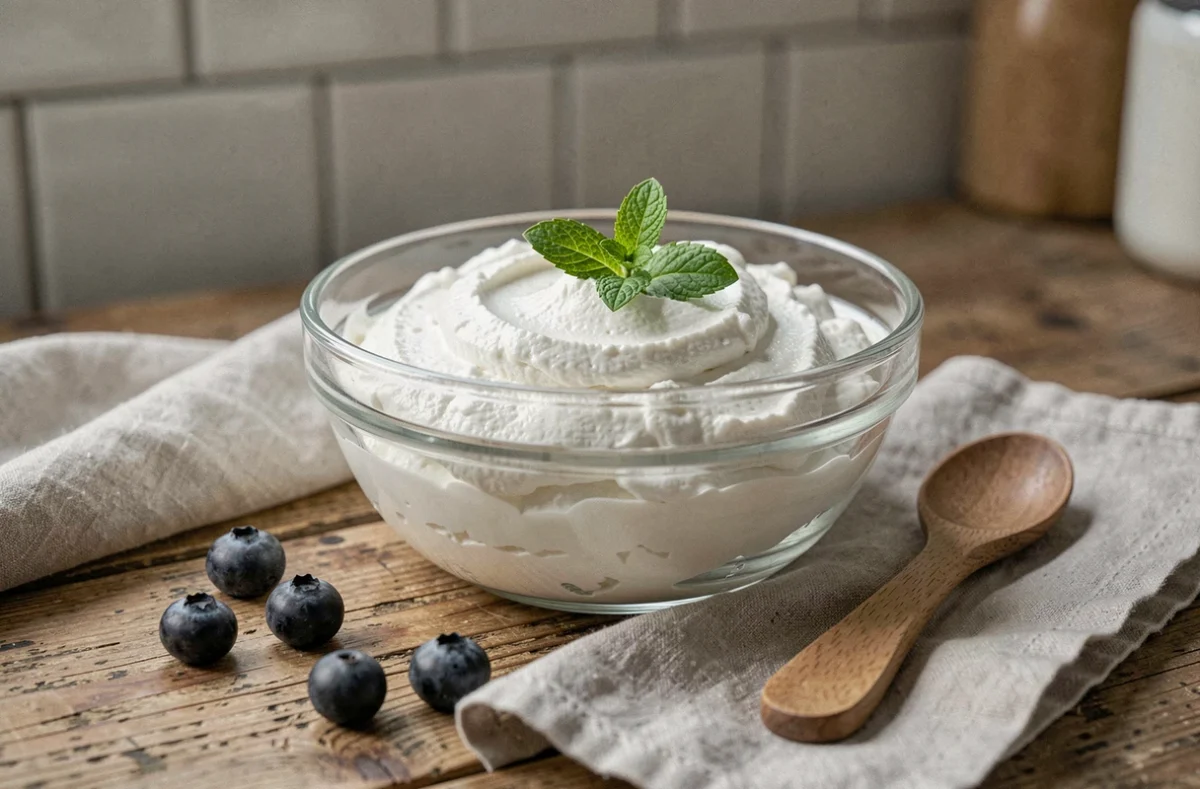
Fromage blanc is a fresh dairy product made from pasteurized milk and coagulated with lactic acid bacteria. For the vast majority of people, eating it poses no health risk. The actual risks are linked to specific situations: a batch becoming contaminated during production, improper storage after opening, or a consumer being particularly vulnerable to certain pathogens.
Fromage blanc recalls: a range of possible causes
A product recall does not mean that fromage blanc in general is dangerous. Each recall concerns specific batches made on particular dates and for a specific reason. Understanding the nature of the risk helps you respond appropriately.
In November 2026, some Belle France and Paysan Breton fromage blanc products were recalled due to a possible contamination with cleaning products. The issue had nothing to do with bacteria: chemical residues had been detected on the production line. Other recent recalls involved the risk of Listeria monocytogenes, a pathogenic bacterium that can grow even at low temperatures.
This range of causes shows that precautions are not limited to bacterial contamination. Fromage blanc may be recalled because of a foreign object, an undeclared allergen on the label, or a chemical irregularity. Checking the official recall notice on the RappelConso website is the only way to find out the exact reason and what to do, because the product’s appearance and smell do not always reveal the problem.
To better understand the risks of fromage blanc in different situations, it is important to distinguish between risks associated with the product itself and those related to the health of the person eating it.
Listeria and fromage blanc: how long it takes for symptoms to appear
Listeriosis is the infection most closely monitored in fresh dairy products. The bacterium Listeria monocytogenes is notable for its ability to multiply in the refrigerator, at temperatures between 2 and 8 °C, where the growth of most other pathogens slows down.
The least well-known aspect is the incubation period. Symptoms may appear long after eating the contaminated product. This delay can make diagnosis difficult, as the link between the food and the symptoms may not be obvious to the patient or doctor.
Symptoms to watch for after eating a recalled batch
Health authorities recommend seeing a doctor if you develop a fever, possibly accompanied by headaches and muscle aches, and telling them that you ate the product in question. Informing your doctor about the recall is a crucial step in guiding the diagnosis, especially if symptoms appear several days after eating the product.
- Fever, either on its own or with muscle pain: the first warning sign not to dismiss, even if it feels like the flu.
- Persistent digestive symptoms (nausea, diarrhea): common in typical food poisoning, they warrant a medical consultation if the batch was recalled.
- Unusual headaches or a stiff neck: these rarer symptoms may indicate neurological involvement and require prompt medical attention.
If no symptoms appear within the period specified in the recall notice, the risk drops significantly.
Vulnerable groups: the risk is not the same for everyone
Industrially produced fromage blanc made from pasteurized milk is suitable for most consumers, including during pregnancy. The risk of listeriosis is primarily associated with raw-milk products or batches contaminated after pasteurization.
Those most at risk in the event of contamination are not limited to pregnant women. People with weakened immune systems (undergoing chemotherapy, taking long-term corticosteroids, or having received an organ transplant), older adults, and infants are more vulnerable to Listeria.
Fromage blanc and pregnancy
For pregnant women, the rule is simple: industrially produced fromage blanc made with pasteurized milk is safe under normal circumstances. The risk arises only if a batch is contaminated or if the product is artisanal and made with raw milk. In everyday practice, checking for the words “pasteurized milk” on the packaging and maintaining the cold chain is sufficient.
What to do if you have already eaten recalled fromage blanc
The most unsettling situation is when a recall is announced after you have eaten the product. The pot is empty, and you may wonder whether to be concerned and how long to stay alert.
What to do in practice
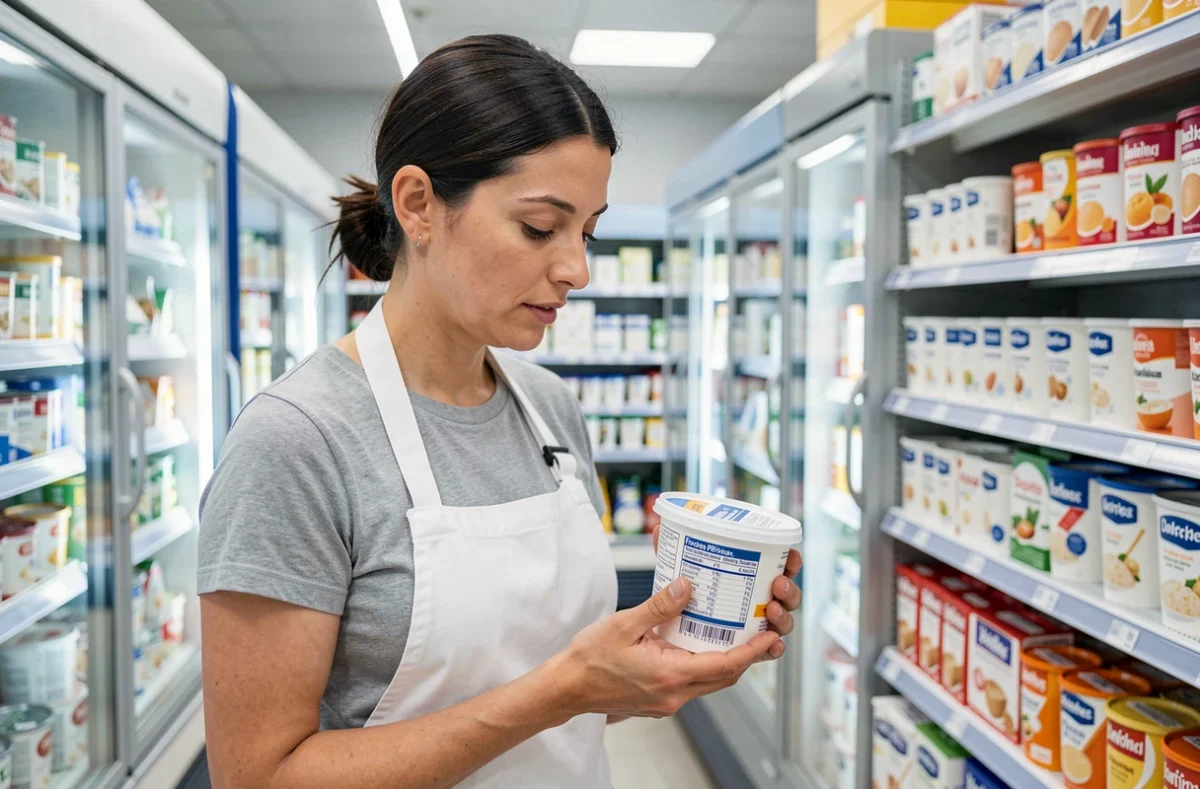
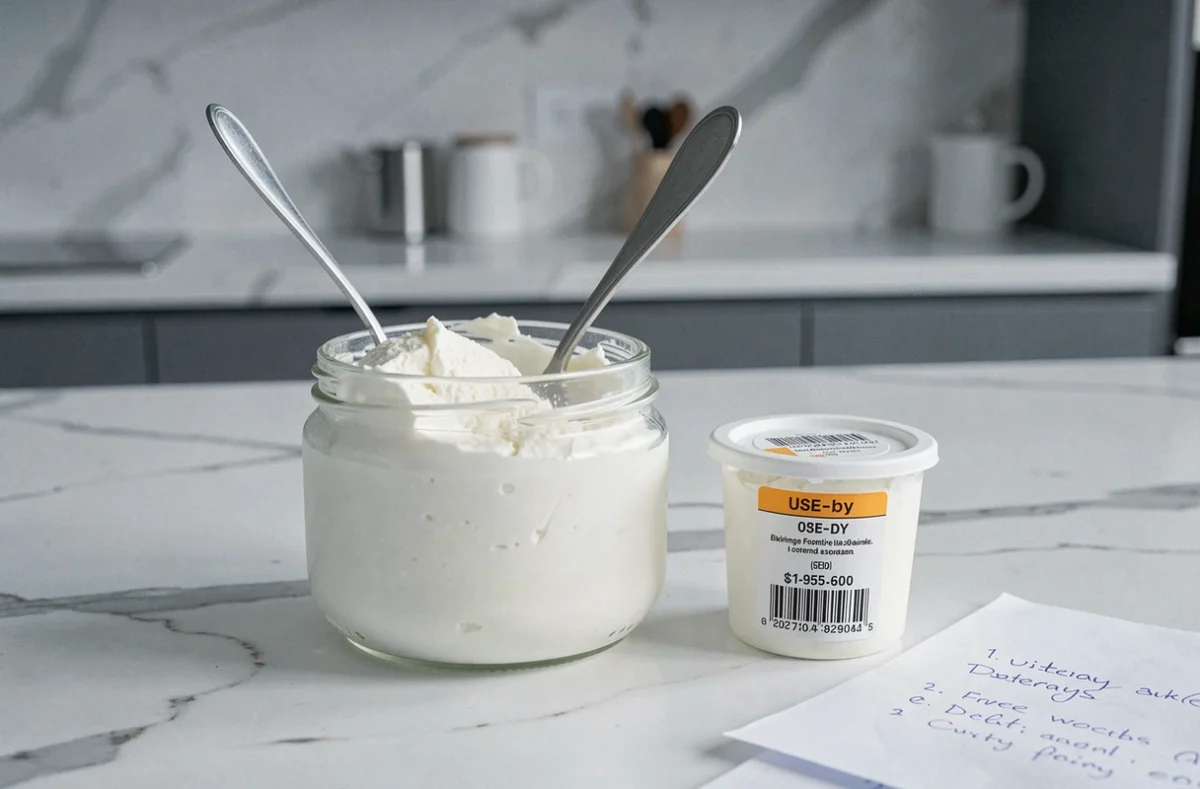
- Check the batch number and use-by date against the RappelConso notice to confirm that the product you bought is included in the recall.
- Watch for fever, digestive symptoms, or muscle pain for the period specified in the notice (which varies depending on the contaminant identified).
- See a doctor and tell them the brand, batch number, and reason for the recall, even if your symptoms seem mild.
- Keep your proof of purchase if possible, in case you need follow-up or a refund.
People in a vulnerable group may consider seeking medical advice as a precaution, even if they have no symptoms, depending on the type of contaminant identified in the recall.
How long to stay alert, depending on the contaminant
The monitoring period depends on the pathogen. With chemical contamination (such as cleaning product residues), any effects are likely to appear quickly. With Listeria, the window is longer, so you need to remain alert for an extended period. The official recall notice always specifies how long to monitor for symptoms.
Storing fromage blanc: mistakes to avoid
Outside of recalls, most problems associated with fromage blanc result from a break in the cold chain. A pot left at room temperature during a long journey or put in the refrigerator several hours after purchase creates favorable conditions for bacteria to multiply.
Once opened, fromage blanc should be kept in the refrigerator and eaten within two to three days. The use-by date printed on the packaging applies to the unopened product stored between 2 and 6 °C. Once the pot has been opened, that date no longer guarantees its safety.
Do not eat fromage blanc if its texture has changed (liquid on the surface, a strong sour smell, or a change in color), even if it is still within its use-by date. These visible changes are signs of advanced microbial spoilage.
Fromage blanc remains a safe food when produced and stored under normal conditions. The actual risks are concentrated in identifiable situations: a recalled batch, a break in the cold chain, or a vulnerable person eating an unsuitable product. Regularly checking the RappelConso website and following storage guidelines covers almost all the risks discussed here.