
The number of sports disciplines recognized by federations far exceeds what most practitioners imagine. Between Olympic sports, regional practices, and hybrid formats that emerge each year, the choice of an activity relies less on an exhaustive list than on a technical reading grid adapted to one’s physiological profile and logistical constraints.
Energy pathways and choice of sports discipline
Each sport engages a dominant energy pathway: aerobic, anaerobic lactic, or anaerobic alactic. This parameter directly conditions the type of effort, the sustainable training frequency, and the expected cardiovascular adaptations.
An aerobic-dominant sport (cycling, long-distance running, long-distance swimming) mobilizes fats and glycogen over extended durations. Progression is linear, and long sessions at moderate intensity form the foundation of the program.
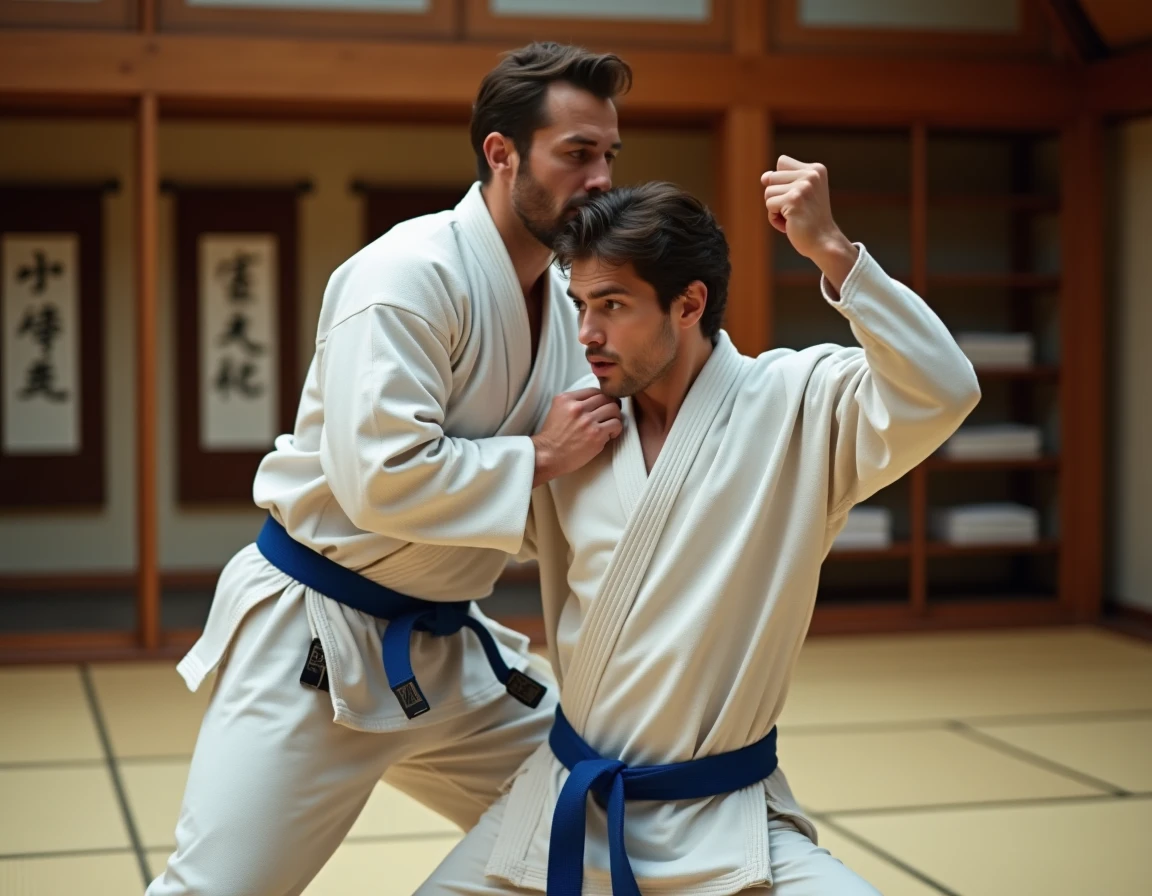
Disciplines with a dominant anaerobic lactic component (combat sports, short-distance rowing, team sports with intense phases) generate an accumulation of lactic acid that requires longer recovery times between sessions. We recommend that beginner practitioners assess their tolerance to this discomfort before committing to a full season.
Explosive sports (weightlifting, sprinting, striking martial arts) engage the alactic pathway for efforts lasting a few seconds. The joint load is high, which implies a locomotor system that is already conditioned or rigorous technical supervision.
This category often attracts profiles that underestimate the need for prior general physical preparation. To deepen the diversity of existing practices, we suggest exploring the sports page of Bonjour Sportif, which lists a wide range of disciplines categorized by type of effort.
Hybrid practices and composition of a sports portfolio
The trend of not choosing a single sport but rather composing a set of complementary practices is gaining ground. This is referred to as a sports portfolio, by analogy with asset diversification: each discipline meets a distinct physiological or psychological need.
A typical portfolio might combine an endurance activity (cycling, power walking), a strengthening activity (weight training, Pilates), and an activity with a cognitive component (climbing, racquet sports). This approach reduces the risk of injury from repetitive overload and maintains motivation over the long term.
Emerging hybrid practices
Formats like power walking combined with meditation, or yoga paired with light strengthening, are no longer niche. They respond to a demand from practitioners who reject the rigid segmentation between well-being and performance. The hybridization of disciplines redefines the boundaries between sport and physical activity.
The point of caution remains the coherence of the overall load. Stacking three activities without planning for recovery amounts to tripling the risk of overtraining. A weekly schedule that alternates high intensity, moderate intensity, and active recovery works better than an accumulation of sessions at moderate intensity.
Technical criteria for filtering sports disciplines
Popular guides often suggest choosing a sport based on one’s “desires” or “character.” This approach overlooks objective parameters that determine the sustainability of practice.
- Joint constraint and history: a sport with repeated impacts (running, team sports) requires healthy joints or a targeted strengthening protocol beforehand
- Geographical accessibility and real cost: the proximity of a suitable facility weighs more than the initial appeal of a discipline. A sport practiced more than thirty minutes away sees its dropout rate rise quickly
- Technical/physical condition ratio: some disciplines (archery, fencing, sailing) allow for rapid technical progression even with modest physical condition, whereas others (crossfit, triathlon) require a physical base before any technical acquisition
- Competitive or recreational format: the presence or absence of competition structures the commitment. A practitioner who does not wish for any confrontation will be better suited to cycling or hiking than to a club racquet sport
Affinity-based matching tools
Community platforms like Potesport focus on connecting practitioners based on their level, type of practice, and location. The choice of a sport becomes a social experience guided by affinities, not just by an online theoretical test. This model addresses a concrete problem: finding regular training partners, a determining factor in the persistence of practice.
Sports discovery among youth: the lever of major competitions
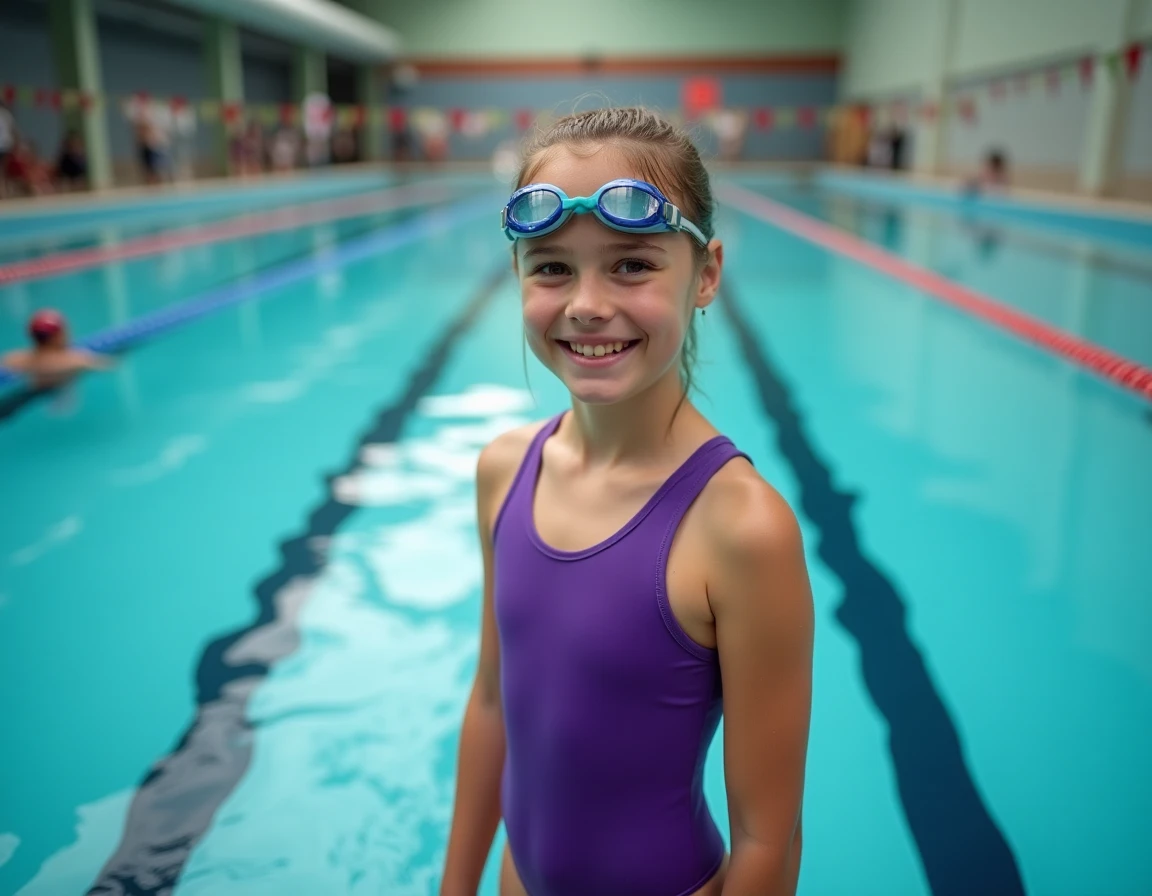
Major multi-sport competitions (Olympic Games, Paralympic Games, Francophonie Games) increasingly serve as an educational gateway to introduce young people to the diversity of disciplines. Teachers and educators structure school projects centered on discovering multiple sports rather than just one, relying on the calendars of these events.
This approach has a technical advantage: it exposes young practitioners to varied motor patterns during the developmental period when motor plasticity is at its maximum. Sporting versatility before specialization protects against overload injuries and broadens the available gestural repertoire for later specialization.
We observe that multi-sport clubs offering cycles of multi-activity discovery retain their members better than those that impose a choice of discipline upon registration.
The choice of a sports discipline benefits from being treated as a technical decision rather than an emotional one. Energy pathway, joint constraint, real accessibility, and social format constitute the four parameters that best predict the regularity of practice over multiple seasons.